The right habitat starts with the right questions

Compare isopods

Put species and hobby forms side by side. Keep the source wording, see the unknowns, and choose a colony whose needs you can support.

14 sourced profiles · Up to 3 at a time · No universal care scores

Your field notes, side by side

2 of 3 profiles selected

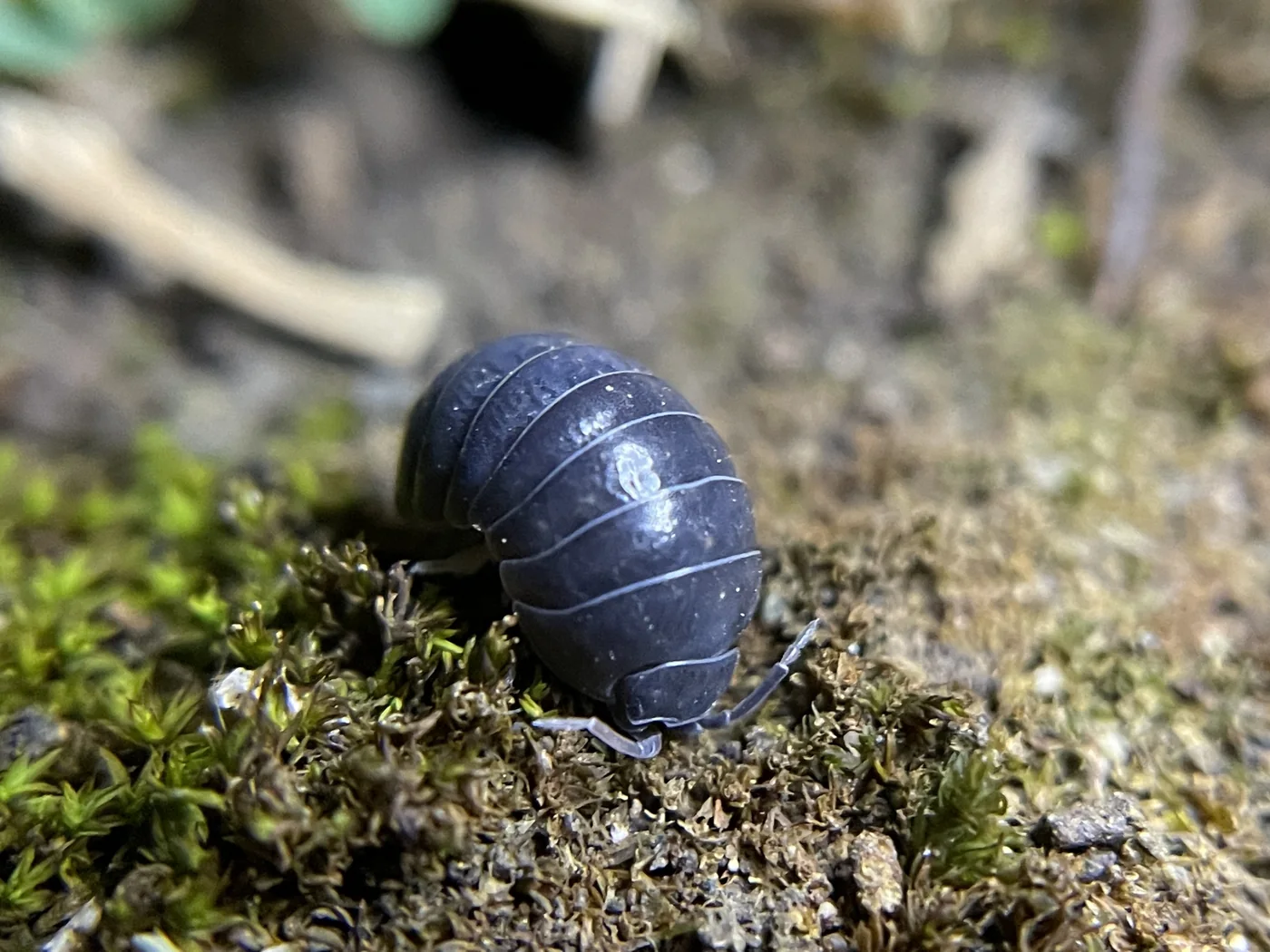
Armadillidium vulgare, the parent species associated with Magic Potion lines
Species-level Armadillidium vulgare reference photo; the source does not identify this animal as a Magic Potion line.Daniel Das · CC0 1.0Resized proportionally when needed and converted to WebP at quality 84; no crop, recoloring, retouching, or biological edits.

Morph / color line

Magic Potion

Armadillidium vulgare "Magic Potion"

Identity & provenance
Armadillidium vulgare is an accepted species. Magic Potion and Japanese Magic Potion are trade-line labels with disputed usage, not subspecies.

Conditions vary by stock. Confirm line identity and established care with the supplier.

Reported difficulty
Beginner
Moisture & refuge
Moist refuge with less-wet areas; never entirely dry
Temperature · source wording
68–77°F is within the compared breeder working ranges
Breeding notes
Line-dependent; do not assume all Magic Potion stock grows alike
Bioactive suitability
Conditional; valuable lines are easier to track separately
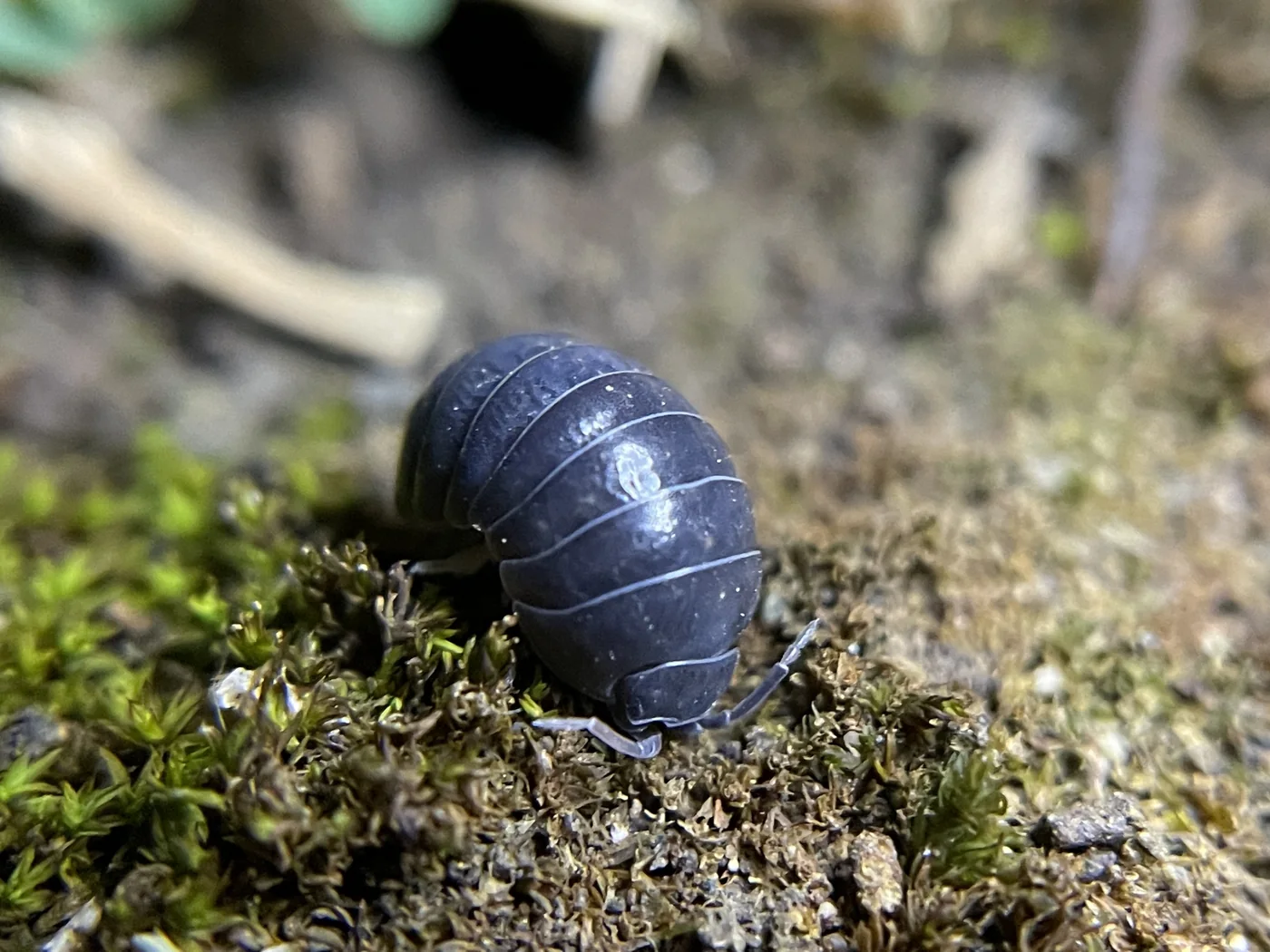
Common pill woodlouse Armadillidium vulgare
Armadillidium vulgare photographed and released under CC0.Daniel Das · CC0 1.0Resized proportionally when needed and converted to WebP at quality 84; no crop, recoloring, retouching, or biological edits.

Species

Armadillidium vulgare

Armadillidium vulgare

Identity & provenance
Armadillidium vulgare is an accepted species. Magic Potion is a captive color-line label within the species, not a subspecies.
Reported difficulty
Beginner
Moisture & refuge
Moist shelter with access to less-wet substrate
Temperature · source wording
Use measured source-colony conditions; protect from heat and freezing
Breeding notes
Season and population dependent; no universal schedule
Bioactive suitability
Conditional; match moisture, inhabitants, and colony goals

Read the context

How these notes compare

These entries use the exact published care fields from each IsopodAtlas profile, joined to the species directory by profile URL. Each card links to the full article and its sources. Reported difficulty is an editorial care assessment, not a measured survival rating.

Temperature ranges retain their original attribution and limits. A breeder working range is not a tested tolerance or universal optimum. Missing fields say “Not documented”; no ranges, breeding rates, or compatibility scores are calculated.

Morph and trade names do not authenticate captive stock. Conditions vary by stock, enclosure, and colony history. Compare the taxonomy and trade-name guide, then confirm source-colony conditions with your supplier.

Existing approved photographs retain their caption, source, and license. A parent-species reference does not verify a morph or line. Read the moisture-gradient guide and cleanup-crew compatibility guide before applying these notes to a shared enclosure.

Questions before choosing

Does a beginner label mean any enclosure will work?

No. It describes a practical care assessment. Each colony still needs food, cover, ventilation, and a dependable damp refuge. Read the full profile and assess the enclosure you can maintain.

Can I keep the selected isopods together?

This tool compares care notes; it does not recommend mixing colonies. Similar moisture wording does not establish compatibility. Keep line records and assess competition, feeding pressure, and other inhabitants separately.

Are Powder Blue and Powder Orange separate species?

They are hobby color forms associated with Porcellionides pruinosus. A form label and a formal species name answer different questions; neither authenticates an individual captive culture.

Why are some temperature entries words instead of numbers?

The profile may document source-colony practice or uncertainty rather than a numerical range. Replacing that context with an inferred optimum would make the comparison less reliable.

Explore all species profiles →